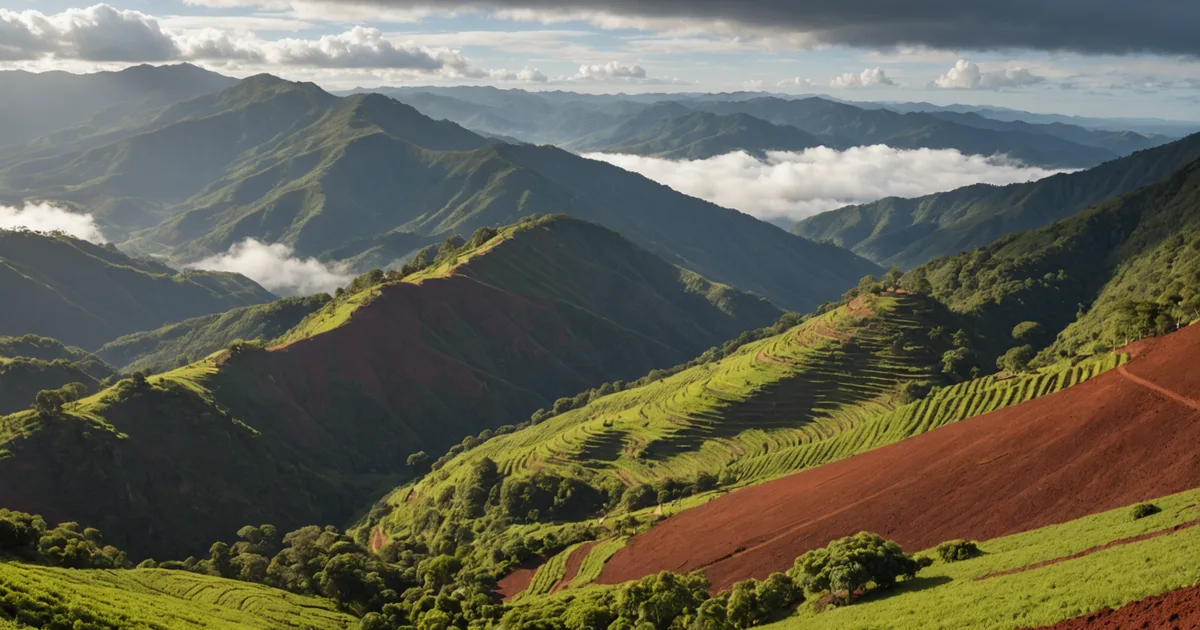
Three Observable Variables That Define a Coffee Farm Credit Score
Farm risk varies. Learn which observable variables best indicate a coffee grower's repayment capacity.
Insights
Culttivo team analysis of Brazil's smallholder coffee credit market, plot-level risk scoring, and the rural financing gap.
Featured
Research
The evidence for underwriting coffee smallholder loans sits at plot level. Banks lack the pipeline to interpret it.
Read ArticleAll Articles
Farm risk varies. Learn which observable variables best indicate a coffee grower's repayment capacity.
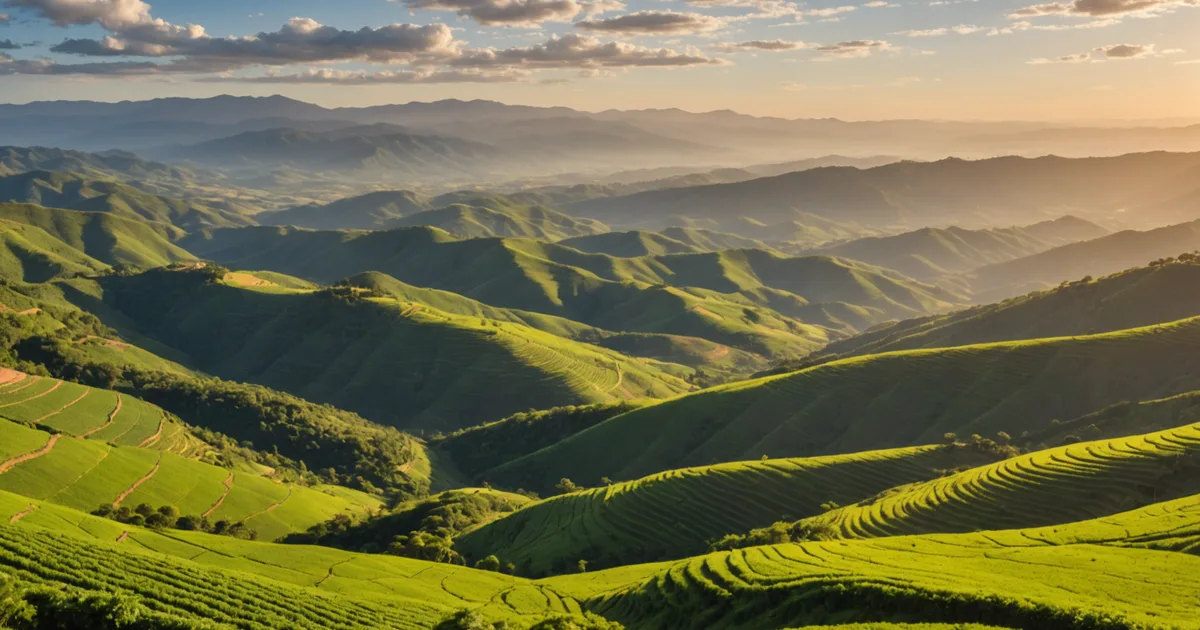
Brazil grows a third of the world's coffee, yet many farmers cannot obtain formal loans. This explains how that financing gap is structured.
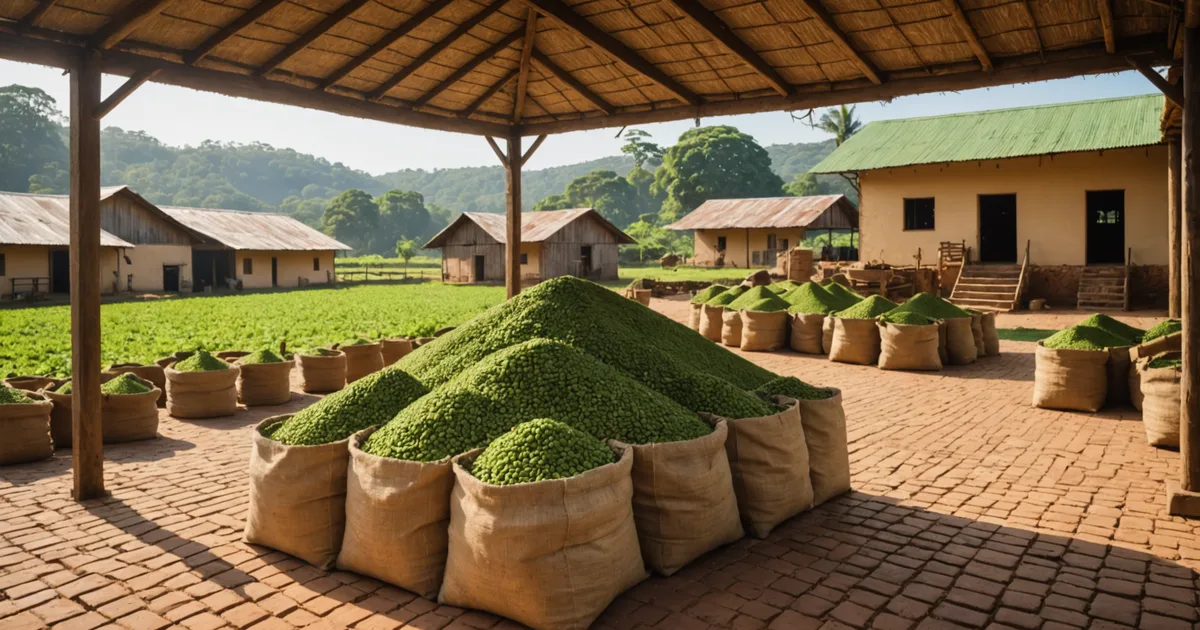
Traditional agricultural credit may take weeks. Our automated pipeline reaches a decision in 48 hours without cutting risk review.
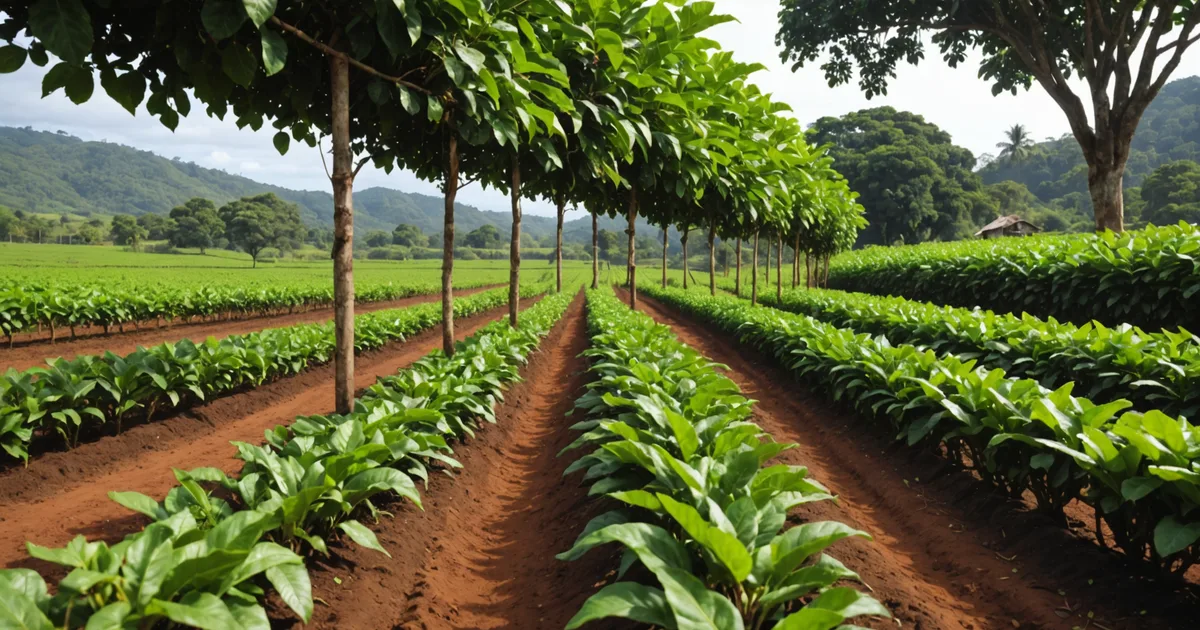
Generic scores penalize missing formal records. For smallholder agriculture, that gap is normal and does not by itself indicate risk.
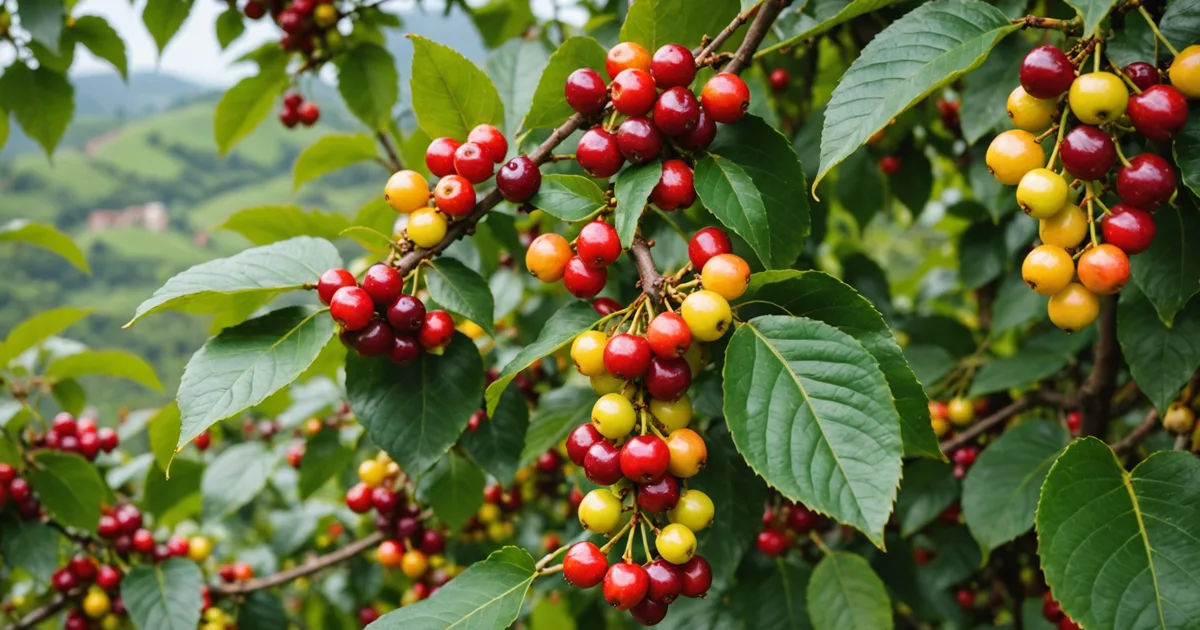
Reviewing 2025 Sul de Minas harvest results showed which farm inputs most consistently signaled yield shortfalls.
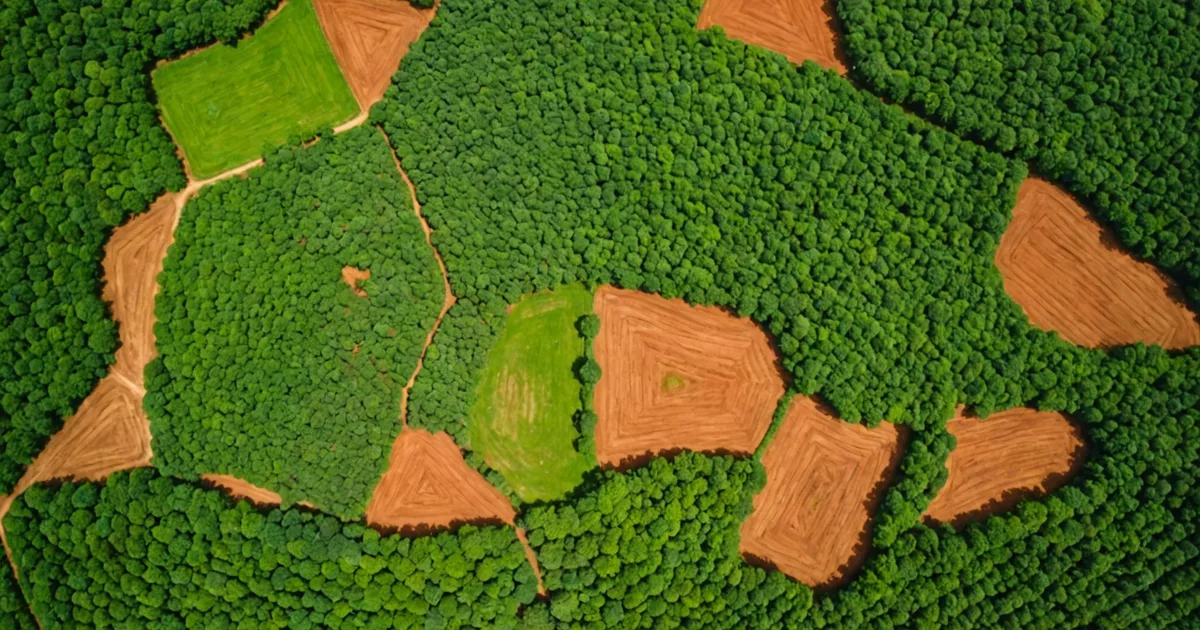
Treating a farm as one unit hides differences between plots. Two hectares of high-altitude shade-grown arabica carry different risk from two hectares of lowland cerrado.
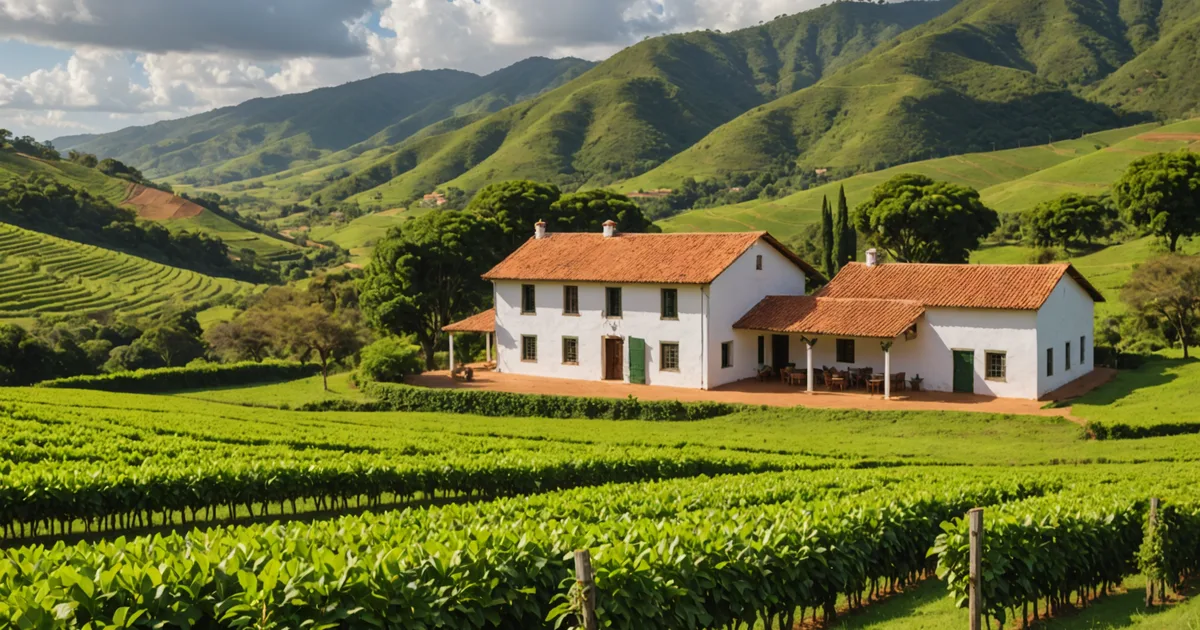
Minas Gerais supplies half of Brazil's specialty coffee but receives a disproportionately small share of formal agricultural credit.
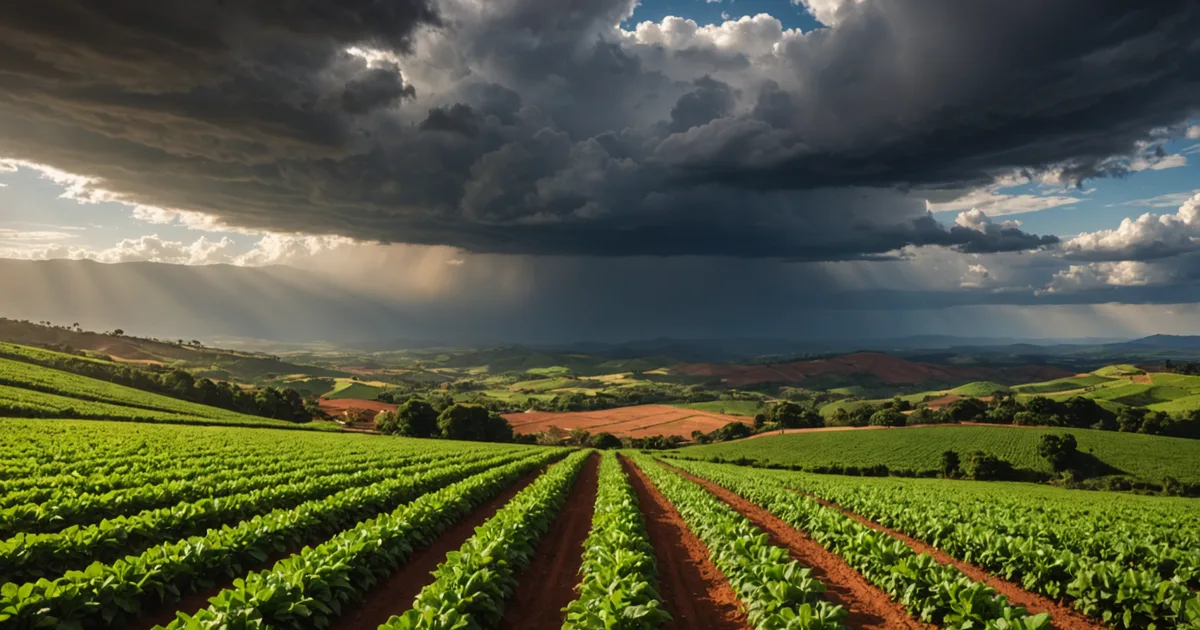
Frost, rainfall shifts, and biennial bearing complicate coffee yield forecasts in Minas Gerais. Here is how we account for them.
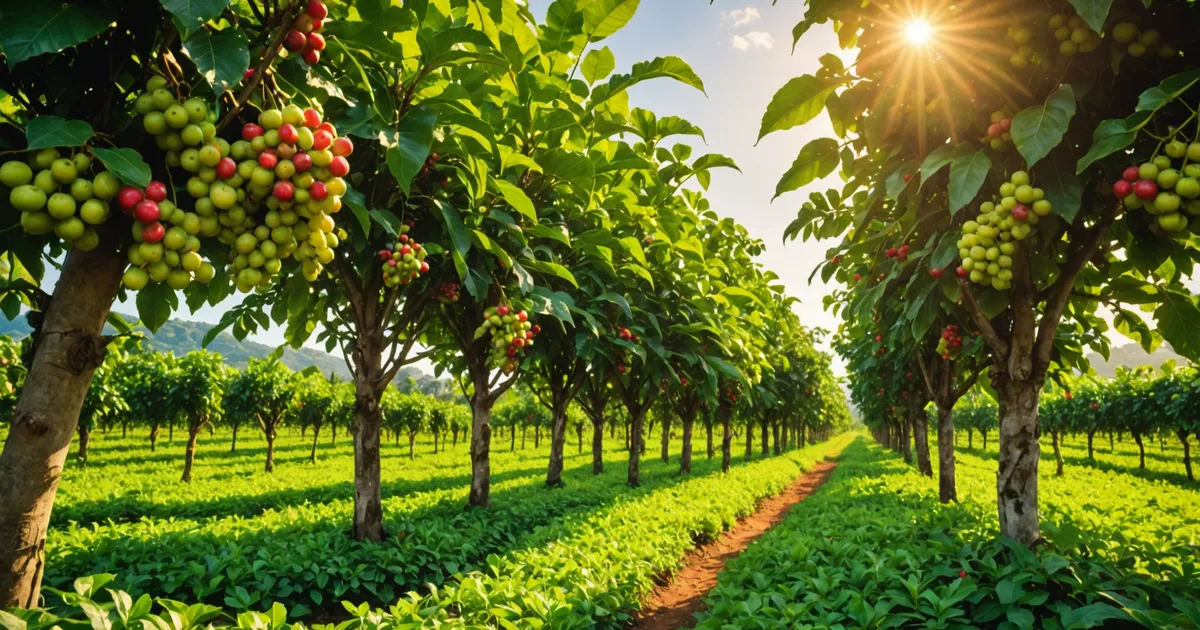
Satellite imagery, soil maps, and cooperative yield records already support stronger rural underwriting. The challenge is bringing these sources together and scoring them at scale.
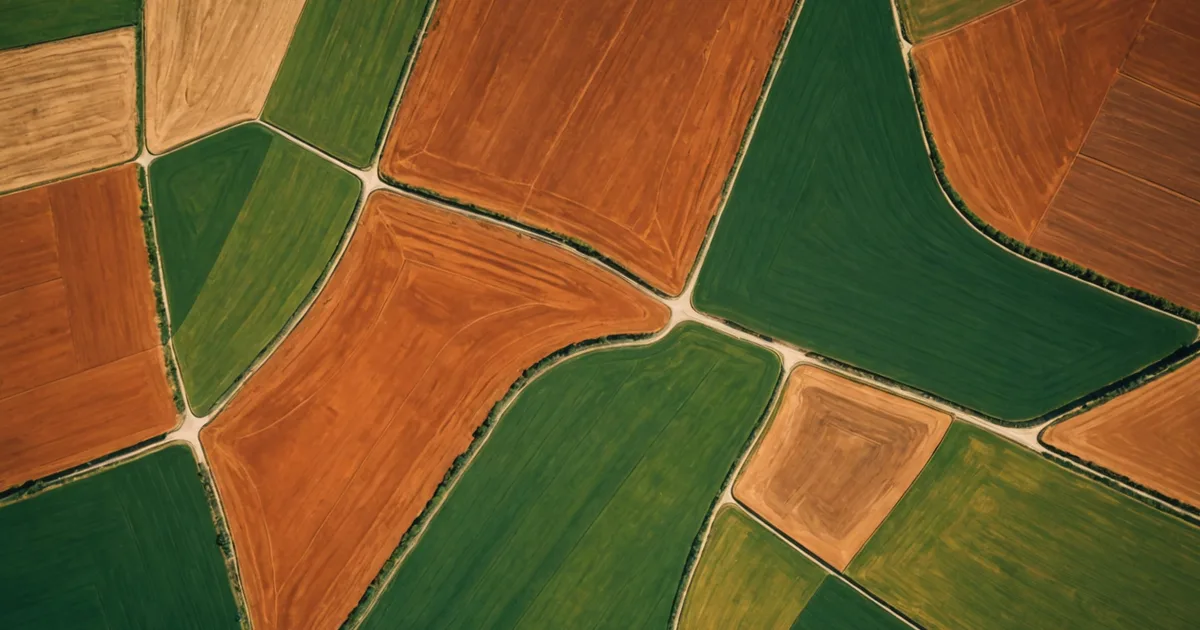
Sentinel-2 imagery provides 10-metre NDVI canopy readings every five days. For farm credit, those observations become a real-time underwriting signal.
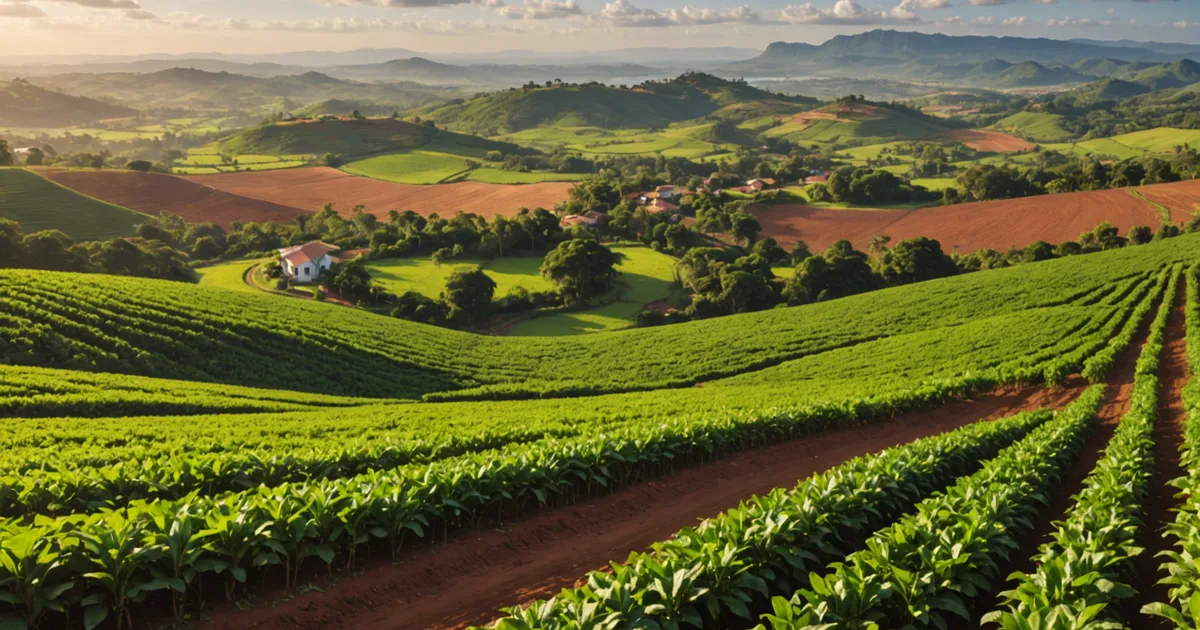
Rural credit denials often reflect incomplete information rather than excessive risk. The data banks use may not show what a productive farm can actually produce.